

Detailed explanation of CPU heat dissipation principle: from heat conduction to efficient cooling

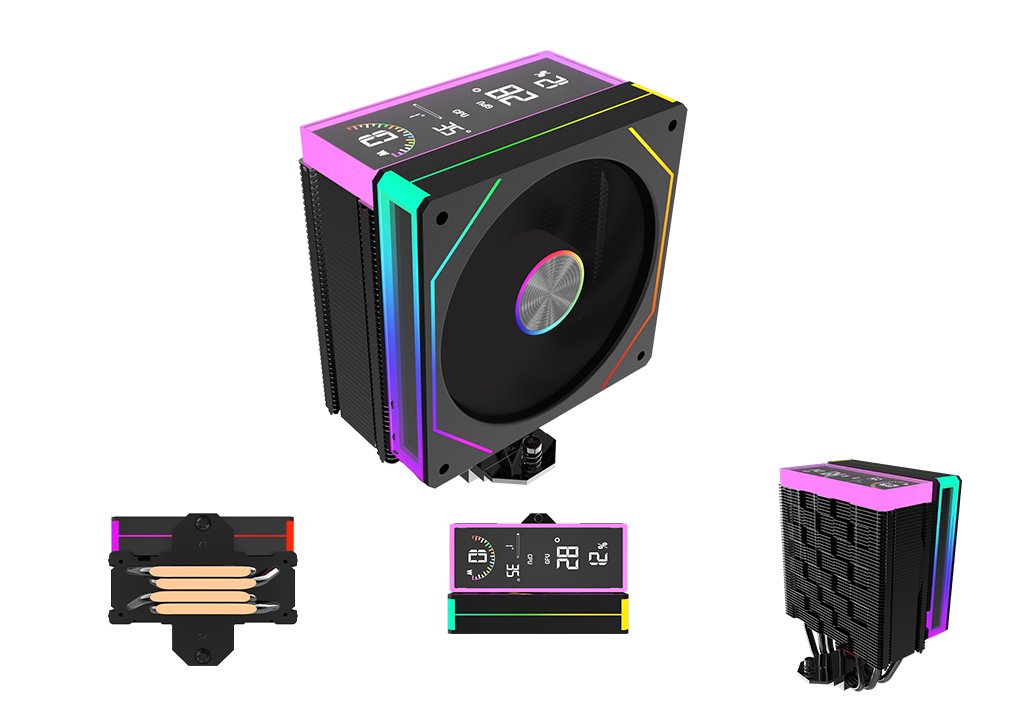
In modern computer systems, the CPU (central processing unit) is the core computing unit, and its performance directly affects the overall operating efficiency of the machine. However, with the continuous improvement of CPU performance, its power consumption and heat generation have also significantly increased. An efficient cooling system is crucial for maintaining the stable operation of the CPU. This article will provide a detailed analysis of the working principle of CPU heat sinks, covering key mechanisms such as heat conduction, convective heat dissipation, and radiative heat dissipation, to help readers gain a deeper understanding of the design and working principle of heat sinks.
Thermal conduction is the first step in the operation of a radiator, and its basic principle is to transfer heat from a high-temperature area to a low-temperature area through solid materials. The heat conduction process of CPU heat sink mainly depends on the following factors:
Thermal conductivity
Fringilla euismod ut duis est habitasse nostra scelerisque a tellus lorem vestibulum himenaeos at ullamcorper diam a cum pulvinar. Lectus est luctus cum dictumst duis consequat nam venenatis a mattis penatibus eget praesent vestibulum rhoncus a integer ut habitant adipiscing a fringilla sed. Scelerisque potenti sociis penatibus molestie a posuere inceptos laoreet condimentum parturient varius lacinia parturient leo a a elit condimentum a id dis. Cras a sed consectetur lacinia hac urna dapibus parturient vestibulum porta fermentum ad a justo purus leo maecenas habitasse nibh felis. Commodo ullamcorper diam quam et.
Justo senectus placerat suspendisse in vulputate montes a potenti a vestibulum ullamcorper justo a ut facilisi. Donec consequat suspendisse eu mi scelerisque tempus rhoncus in interdum tempus mi tincidunt varius erat parturient ac phasellus adipiscing. Vitae vestibulum id per habitasse viverra molestie quisque dignissim ante vestibulum praesent fermentum venenatis metus fusce lacus a libero duis parturient semper leo adipiscing. Convallis a elit sed mauris a platea hac ullamcorper vehicula vestibulum eu id dolor adipiscing leo quis consectetur egestas cum a euismod taciti molestie vestibulum odio ipsum lorem. Sed aenean.
Condimentum enim

Thermal conductivity is the ability of a material to conduct heat, measured in W/(m · K). The thermal conductivity of common radiator materials is as follows:
Copper: approximately 400 W/(m · K)
Aluminum: approximately 237 W/(m · K)
Silver: Approximately 429 W/(m · K)
Copper and aluminum have become the main materials for heat sinks due to their high thermal conductivity and low cost.
Thermal interface materials are used to fill the small gaps between the CPU and the heat sink base, improving thermal conductivity efficiency. Common ones include silicone grease, which is easy to apply. A heat pipe is an efficient heat conduction component that utilizes the phase transition (liquid to gas) of the working fluid to transfer heat. The interior of the heat pipe is in a vacuum state, filled with a small amount of working fluid (such as water or ammonia). When one end of the heat pipe is heated, the working fluid evaporates and flows towards the cold end, releasing heat and condensing back to form a cycle.
Thermal interface materials are used to fill the small gaps between the CPU and the heat sink base, improving thermal conductivity efficiency. Common ones include silicone grease, which is easy to apply. A heat pipe is an efficient heat conduction component that utilizes the phase transition (liquid to gas) of the working fluid to transfer heat. The interior of the heat pipe is in a vacuum state, filled with a small amount of working fluid (such as water or ammonia). When one end of the heat pipe is heated, the working fluid evaporates and flows towards the cold end, releasing heat and condensing back to form a cycle.
Convection heat dissipation: The transfer of heat, convection heat dissipation is the process of removing heat through the flow of fluid (usually air or liquid). The convective heat dissipation of CPU heat sinks mainly relies on fans and heat dissipation fins. Heat dissipation fins improve heat dissipation efficiency by increasing surface area. The design of fins needs to consider the following factors:
Spacing: Too dense will hinder air flow, while too sparse will reduce the heat dissipation area.Shape: Wave shaped, needle shaped and other designs can enhance turbulence and improve heat dissipation.The fan accelerates air flow through convection, taking away heat from the heat dissipation fins. The performance parameters of a fan include: air volume: the volume of air passing through the fan per unit time, measured in CFM (cubic feet per minute). Wind pressure: The static pressure generated by the fan affects the ability of air to penetrate the heat dissipation fins. Noise: usually expressed in decibels (dB), low-noise design enhances user experience. The size, speed, and noise level of the fan need to be optimized according to the cooling requirements. PWM (Pulse Width Modulation) fans can automatically adjust their speed according to temperature, achieving a balance between silence and heat dissipation.
The working principle of CPU heat sink involves multiple aspects such as heat conduction, convective heat dissipation, and radiative heat dissipation. Through scientific design and optimization, the heat sink can effectively reduce CPU temperature and ensure stable system operation. Whether it is air-cooled or liquid cooled, an efficient heat dissipation system is an indispensable component of modern computers. I hope this article can provide you with valuable reference and help you gain a deeper understanding of the working principle of CPU heat sinks.

Modern CPUs are the backbone of computer systems, but their performance comes at the cost of increased power consumption and heat. Efficient cooling systems are essential to ensure the stability of these processors. This analysis delves into the working principles of CPU heat sinks, emphasizing heat conduction, convection, and radiation. Understanding these mechanisms can help optimize the design of cooling solutions. How do these heat dissipation mechanisms interact to maintain CPU performance under varying workloads?
In modern computer systems, the CPU is indeed the heart of the machine, and its performance is critical for overall efficiency. With advancements in CPU technology, managing heat dissipation has become a significant challenge. Efficient cooling systems, like heat sinks, play a vital role in ensuring stable operation. This article provides a comprehensive look at the principles of heat conduction, convective, and radiative heat dissipation. What are the key factors that influence the effectiveness of heat conduction in CPU heat sinks?
CPUs are indeed the heart of modern computers, and their cooling is more important than many realize. I never thought about how much engineering goes into just keeping them from overheating. The explanation of heat conduction was clear, but I wonder how much innovation there has been in materials used for heat sinks. Would liquid cooling be more effective than traditional metal heatsinks in extreme conditions? I feel like this overview gave a solid foundation, but the details about actual materials and designs would be even more helpful.
This article provides a comprehensive overview of CPU cooling systems, emphasizing the importance of heat dissipation for maintaining CPU stability. It’s fascinating how thermal conduction, convection, and radiation work together to manage heat effectively. I wonder, though, how advancements in materials science might further improve heat sink efficiency in the future. Are there any emerging technologies or materials that could revolutionize this field? Also, how do liquid cooling systems compare to traditional heat sinks in terms of performance and practicality? I’d love to hear more about the trade-offs between different cooling methods. What’s your take on the balance between performance, power consumption, and cooling efficiency in modern CPUs?
This article provides a comprehensive overview of CPU cooling systems, emphasizing the importance of heat dissipation for maintaining CPU stability. It’s fascinating how thermal conduction, convection, and radiation work together to manage heat effectively. I wonder if there are any emerging technologies that could further enhance cooling efficiency beyond traditional methods. The explanation of heat conduction is clear, but I’m curious about how different materials impact this process—are there any breakthroughs in material science that could revolutionize heat sinks? Also, how do liquid cooling systems compare to traditional heat sinks in terms of performance and practicality? The article mentions power consumption and heat generation as challenges, but could there be a future where CPUs are designed to generate less heat inherently? Overall, this is a great read, but I’d love to see more discussion on innovative solutions and future trends in CPU cooling. What are your thoughts on the balance between performance and thermal management in next-gen CPUs?
Great breakdown of CPU cooling systems and their importance in modern computing! I found the explanation of thermal conduction and the factors affecting it particularly insightful. However, I’m curious—what’s the role of materials like copper or aluminum in designing efficient heat sinks? Are there any emerging materials or technologies that might revolutionize CPU cooling in the future? Also, do you think liquid cooling is a viable alternative for most users, or is it still more of a niche solution? I’d love to hear your thoughts on how far we can push cooling efficiency without compromising on size or noise. What’s your take on the balance between performance and sustainability in cooling solutions? Looking forward to your insights!
The discussion on CPU cooling systems highlights a critical aspect of modern computing. I found the breakdown of heat conduction, convective, and radiative heat dissipation particularly insightful. It’s fascinating how these principles work together to maintain CPU stability. However, I wonder if there are alternative cooling methods being explored beyond traditional heat sinks? The article mentions power consumption and heat generation as growing concerns—do you think advancements in CPU architecture could eventually reduce the need for such robust cooling systems? Also, how do liquid cooling solutions compare in terms of efficiency and practicality? I’d love to hear your thoughts on whether the current focus on cooling systems might shift in the future. What’s your take on balancing performance with thermal management? Wouldn’t it be interesting if CPUs could self-regulate heat more effectively?
Interesting read! I’ve always wondered how CPU cooling systems manage to keep up with the increasing power demands of modern processors. The explanation of heat conduction, convection, and radiation was quite clear, but I’m curious—how do manufacturers balance the need for efficient cooling with the physical limitations of heat sink designs? Also, do you think liquid cooling will eventually become the standard, or will air cooling continue to dominate? I’d love to hear your thoughts on the future of CPU cooling technology. What’s your take on the trade-offs between performance, cost, and complexity in these systems?
This article provides a fascinating insight into the importance of CPU cooling systems and the mechanics behind heat dissipation. It’s impressive how something as seemingly simple as a heat sink plays such a crucial role in maintaining system stability. I wonder, though, how much room for improvement remains in heat sink design, especially with CPUs becoming more powerful and energy-intensive. Wouldn’t it be worth exploring more advanced materials or cooling technologies to push the limits further? Also, what about the environmental impact of increased power consumption—how are manufacturers addressing this? I’d love to hear more about the practical challenges engineers face in balancing performance, cooling efficiency, and sustainability.
This article provides a comprehensive overview of CPU cooling systems, emphasizing the importance of heat conduction, convection, and radiation. It’s fascinating how the efficiency of a CPU hinges on these mechanisms, especially as performance demands increase. I wonder, though, how advancements in materials science might further enhance heat dissipation in the future. The explanation of thermal conduction is clear, but could you elaborate on how different materials impact this process? Also, are there any emerging technologies that could revolutionize CPU cooling? I’d love to hear more about the balance between performance and sustainability in cooling solutions. What’s your take on the future of CPU cooling systems?
This article provides a fascinating insight into the critical role of CPU cooling systems in modern computing. I appreciate the detailed explanation of heat transfer mechanisms like conduction, convection, and radiation, which are essential for maintaining CPU stability. However, I wonder if there are newer, more innovative cooling technologies being developed beyond traditional heat sinks? Also, how do these cooling systems impact the overall environmental footprint of computing devices? It would be interesting to explore whether the focus on CPU performance is overshadowing sustainability concerns. What are your thoughts on balancing efficiency with eco-friendliness in future CPU designs? Let’s discuss!
This article provides a comprehensive overview of CPU cooling systems, emphasizing the importance of heat dissipation for maintaining CPU stability. It’s fascinating how thermal conduction, convection, and radiation work together to manage heat effectively. I wonder if there are any emerging technologies that could further enhance these cooling mechanisms? The explanation of heat conduction is clear, but I’m curious about how different materials impact its efficiency. Do you think liquid cooling systems could eventually replace traditional heat sinks? Also, how do factors like ambient temperature affect the overall cooling performance? It’s impressive how much thought goes into designing these systems, but I’d love to hear more about real-world applications and potential challenges. What’s your take on the balance between performance and energy efficiency in modern CPUs?
The text highlights the critical role of CPU cooling systems in modern computer performance, emphasizing the importance of heat conduction, convection, and radiation. It’s fascinating how advancements in CPU performance have led to increased power consumption and heat generation, making efficient cooling systems essential. The detailed explanation of heat transfer mechanisms provides a solid foundation for understanding radiator design. However, I wonder how emerging technologies like liquid cooling or advanced materials might further revolutionize CPU cooling efficiency. Do you think traditional heat sinks will eventually become obsolete? Also, the article could benefit from discussing practical examples or case studies of cooling systems in high-performance CPUs. What’s your take on balancing performance and thermal management in future computing systems? Curious to hear your thoughts!
Interesting read! I’ve always wondered how CPU cooling systems manage to keep up with the increasing power demands of modern processors. The explanation of heat conduction, convection, and radiation was quite clear, but I’m curious—how do manufacturers balance the need for efficient cooling with the physical limitations of heat sink designs? Also, do you think liquid cooling will eventually become the standard, or will air cooling continue to dominate? I’d love to hear your thoughts on the future of CPU cooling technology. What’s your take on the trade-offs between performance, cost, and complexity in these systems?
This article provides a comprehensive overview of CPU cooling systems, emphasizing the importance of heat conduction, convection, and radiation. It’s fascinating how the efficiency of a CPU hinges on these mechanisms, especially as performance demands increase. I wonder, though, how advancements in materials science might further enhance heat dissipation in the future. The explanation of thermal conduction is clear, but could you elaborate on how modern designs balance heat transfer with energy efficiency? Also, are there any emerging technologies that could revolutionize CPU cooling? I’d love to hear more about the practical challenges engineers face in this field. What’s your take on the trade-off between performance and thermal management in high-end systems?
Understanding the intricacies of CPU cooling systems is critical in today’s tech-driven world. The article does a great job of breaking down the fundamental principles, such as heat conduction, convection, and radiation, which are essential for maintaining CPU stability. I found the explanation of how heat is transferred from high to low-temperature areas particularly insightful. It made me wonder, though—what advancements are being made in materials to improve heat conduction efficiency further? Also, how do these cooling mechanisms adapt to the increasing power demands of modern CPUs? The discussion on convective and radiative heat dissipation was fascinating, but I’d love to hear more about real-world applications or case studies where these principles have significantly impacted performance. Overall, this article is a solid primer, but it left me curious about the future of cooling technology—what’s next in this field?
This article provides a comprehensive overview of CPU cooling systems, emphasizing the importance of heat dissipation for maintaining CPU stability. It’s fascinating how thermal conduction, convection, and radiation work together to manage heat effectively. I wonder if there are any emerging technologies that could further enhance these cooling mechanisms, especially with the increasing power demands of modern CPUs. The explanation of heat conduction is clear, but could you elaborate on how different materials impact this process? Also, are there any trade-offs between cooling efficiency and the size or weight of the heat sink? Overall, this is a great read for anyone interested in understanding the intricacies of CPU cooling. What are your thoughts on the future of cooling systems as CPUs continue to evolve?
Wir haben libersave in unser regionales Gutscheinsystem eingebunden. Es ist toll, wie einfach man verschiedene Anbieter auf einer Plattform bündeln kann.
English.
The article provides a comprehensive overview of CPU heat sinks and their importance in modern computing systems. It highlights the challenges of increasing CPU performance and the need for efficient cooling solutions. The detailed explanation of heat conduction, convective heat dissipation, and radiative heat dissipation is particularly insightful. This information is valuable for anyone looking to understand the design and functionality of heat sinks. How do advancements in materials science contribute to improving the efficiency of CPU heat sinks? Given the growing economic instability due to the events in the Middle East, many businesses are looking for guaranteed fast and secure payment solutions. Recently, I came across LiberSave (LS) — they promise instant bank transfers with no chargebacks or card verification. It says integration takes 5 minutes and is already being tested in Israel and the UAE. Has anyone actually checked how this works in crisis conditions?